Image
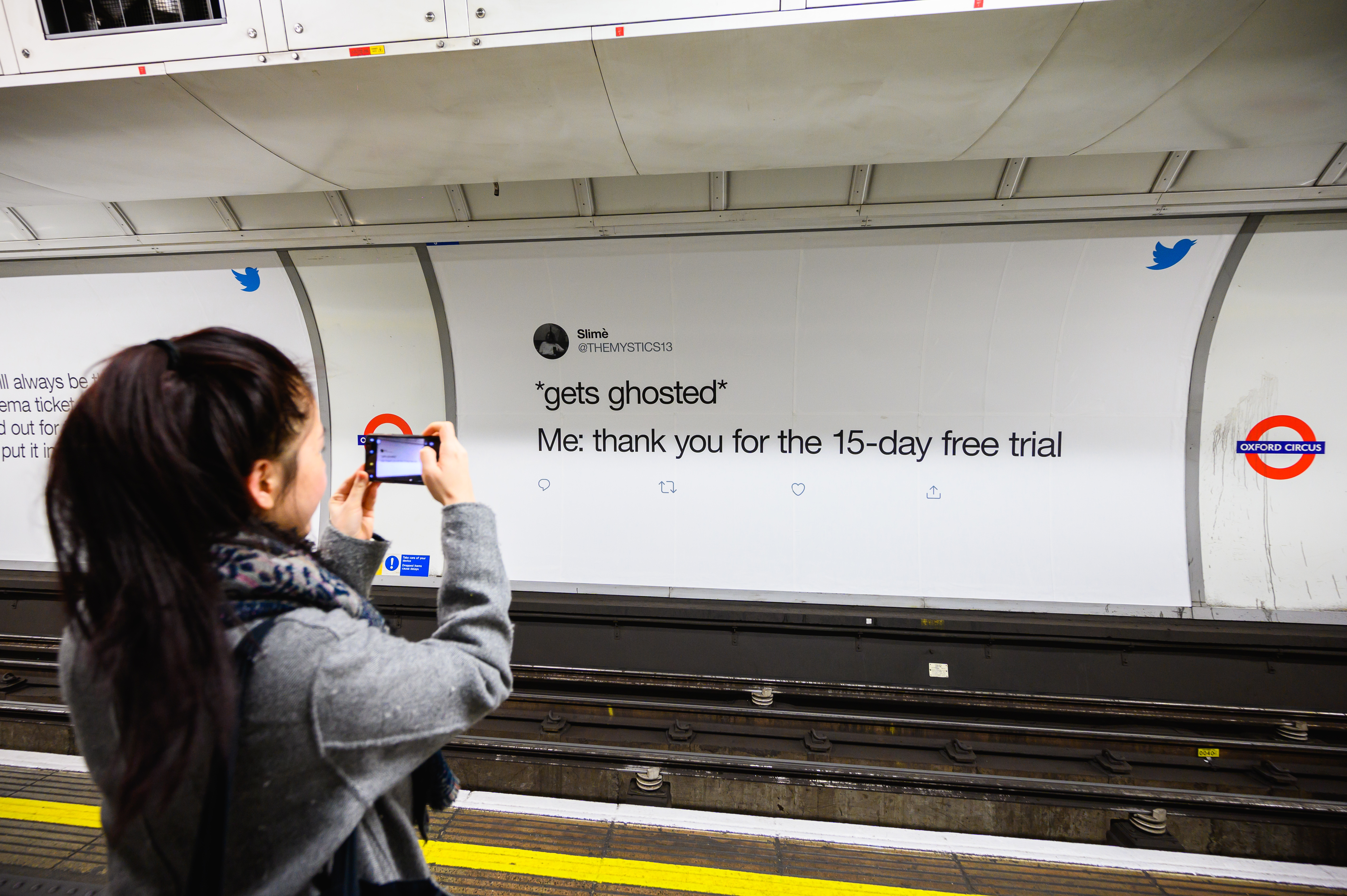

And laughs like these aren’t just the preserve of entertainment brands. Brands that tend towards a straighter tone of voice can be overcautious when it comes to humour for fear of undermining their credibility. But it can really pay off when audiences see the effort you’ve put in to make them smile and the bravery required to take the leap.
How about the much-lauded “unskippable” ad from Geico which subverted peoples’ expectations of a car insurance marketing a few years ago:
Or this old favourite from Dollar Shave Club - now an internet classic:
Old Spice have consistently brought the lols as well, sending up the tropes of men’s fragrance commercials:
There’s an element of risk to all this, of course. If a joke doesn’t quite land, your brand could seem out of touch or worse - tone deaf. What’s more, there’s often a balance to strike between creating that sense of complicity - the “inside joke” that beckons a customer in - without excluding someone you had hoped to involve.
This balancing act was front of mind while creating the Twitter Dating Advice Bureau. We wanted all Twitter’s users - and passersby - to feel seen. That meant representing a whole range of different experiences, not just white, heteronormative ones. We included plenty of jokes centred on the experiences of groups less visible in our mainstream media. We wanted to unite people together through laughter.
And it worked. The pop-up was packed. The press picked up on the inclusivity of the campaign (Pink News praising the “gigantic gay Tweets” was a highlight). People were walking up and down the tube platforms laughing and taking pictures of the OOH placements. Twitter forged a lasting emotional connection with their audience through making a positive contribution to their day.
And, at the end of the day, that is the power of humour in marketing.